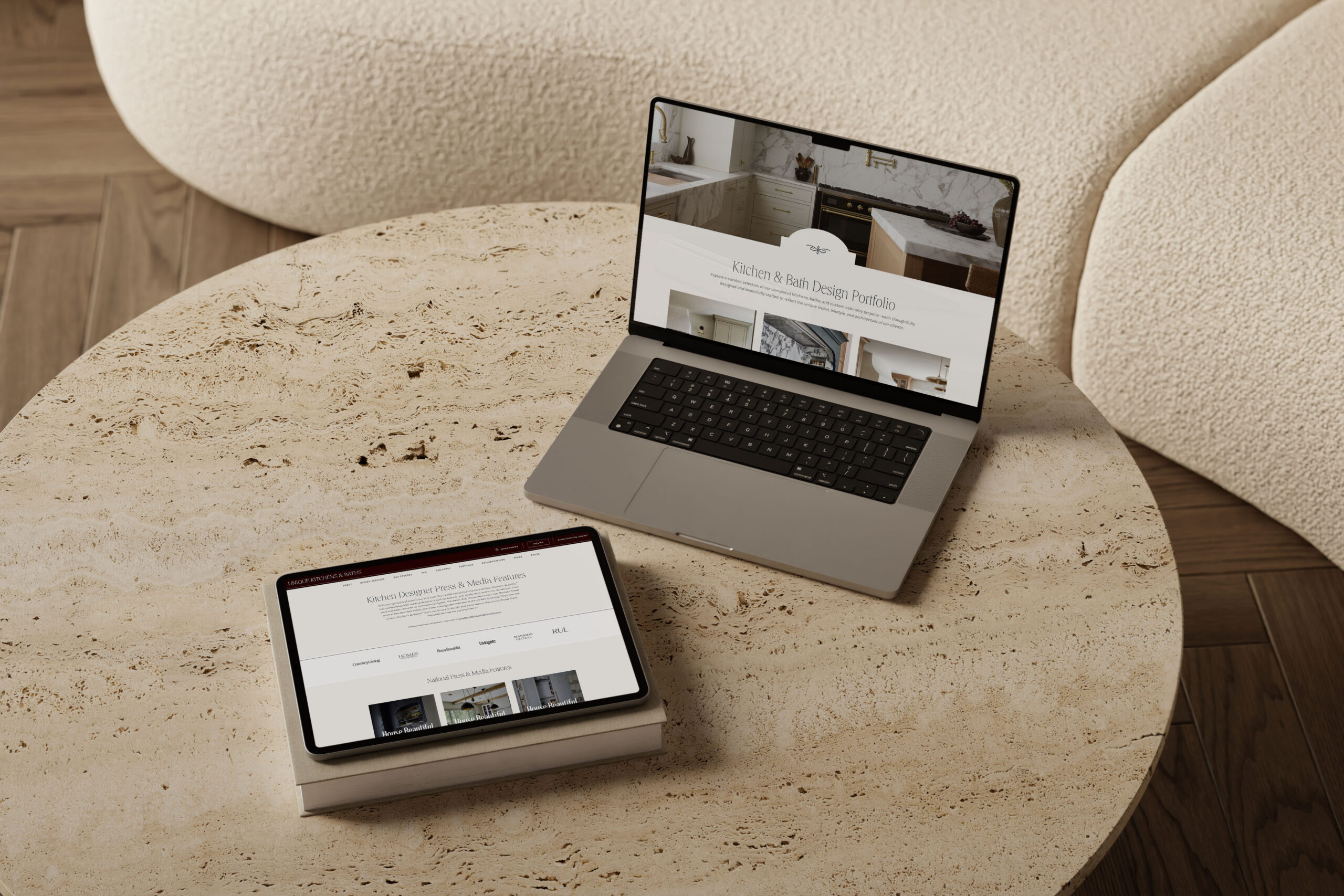
Beautiful websites are everywhere. Strategic websites that consistently attract high-end interior design clients? Those are far harder to find.
If your website feels more like an online portfolio than a client acquisition tool, you’re not alone. Many interior designers invest heavily in professional photography and beautiful visuals, only to wonder why inquiries remain inconsistent.
The truth is, luxury clients aren’t just evaluating your work. They’re evaluating your experience, expertise, and whether they trust you to guide them through a significant investment.
Your website should do more than showcase beautiful spaces. It should communicate value, build confidence, and convert visitors into inquiries.
Here are the 10 essential elements every interior designer website needs to attract luxury clients.
1. A Clear Positioning Statement
Within seconds of landing on your homepage, visitors should know exactly:
- Who you serve
- What you do
- What makes you different
Generic messaging like “creating beautiful spaces” doesn’t communicate your expertise or help potential clients determine whether you’re the right fit.
Instead, focus on clarity.
Consider:
- What types of projects do you specialize in?
- Who is your ideal client?
- What transformation do you provide?
For example:
“Luxury interior design for busy families creating timeless homes throughout New England.”
A strong positioning statement immediately creates connection and filters out inquiries that aren’t aligned.
2. A Strategic Portfolio Structure
Luxury clients don’t want to scroll through a gallery of beautiful images without context.
Your portfolio should tell a story.
Each project should include:
- Project overview
- Client goals
- Design challenges
- Your process
- The final outcome
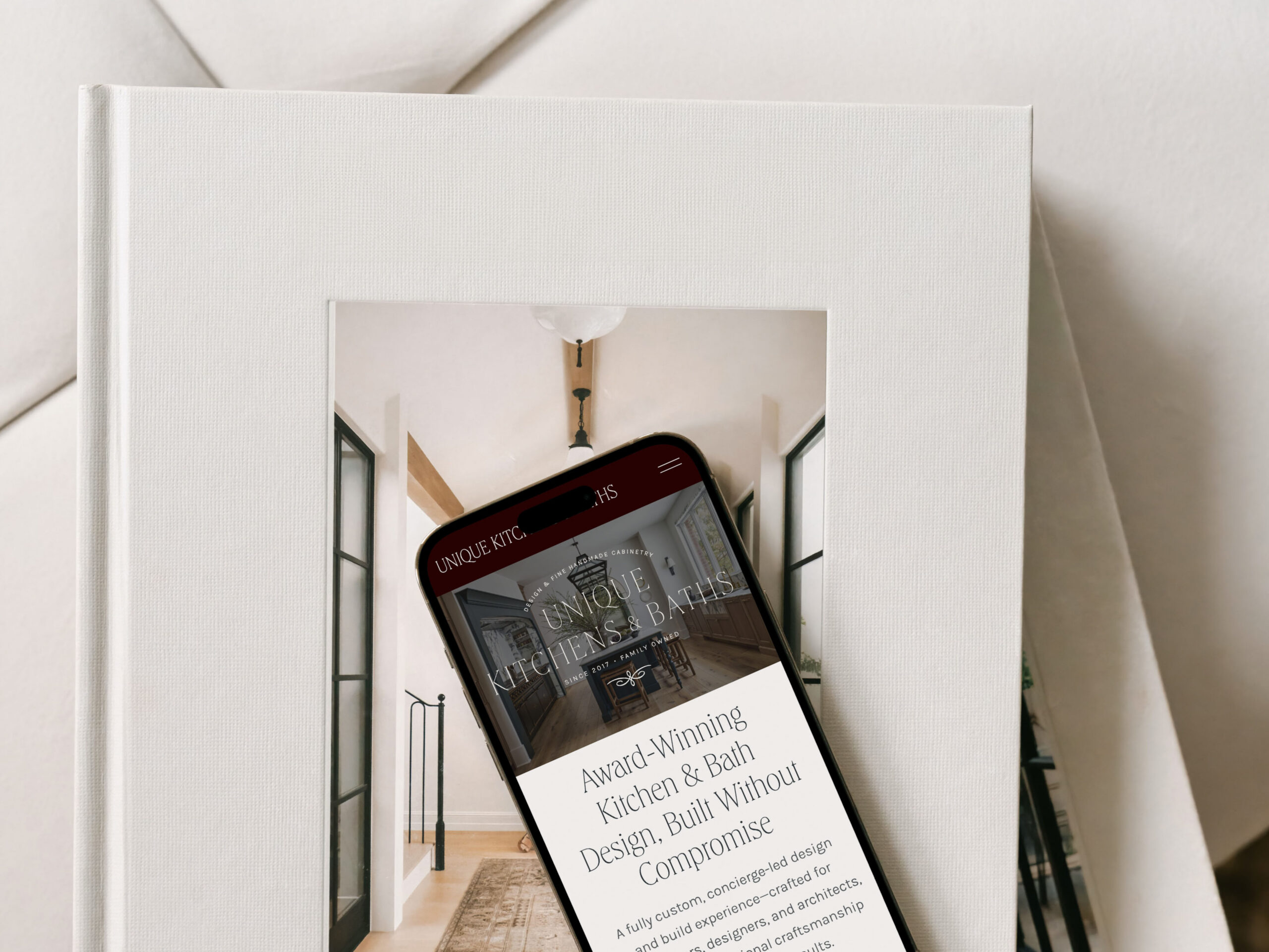
Think beyond a collection of images and create case studies that demonstrate your expertise. Show potential clients not only what you created, but how you think. We do this at Femme as well for our own portfolio if you’d like to see examples. Or, you can explore the portfolio we designed for our incredible client Unique Kitchens & Baths™ here.
3. A Thoughtful Process Page
Hiring an interior designer can feel overwhelming, especially for clients investing in a high-end project for the first time. A clear process page builds trust before the first conversation ever happens.
Outline your client journey from inquiry to installation.
Include:
- Discovery
- Design development
- Sourcing and procurement
- Project management
- Installation
When clients understand what to expect, they’re more likely to move forward with confidence. You can explore an example we designed for our client Unique Kitchens & Baths™ here.
4. Meaningful Social Proof
Your website shouldn’t be the only place talking about how incredible your work is. Strategically placed social proof builds credibility and reduces hesitation.
Consider including:
- Client testimonials
- Press features
- Awards and recognitions
- Industry memberships
- Vendor and builder partnerships
Don’t hide testimonials on a single page. Integrate them throughout your interior designer website where they naturally support your messaging.
5. Transparent Investment Information
You don’t need to list exact pricing to set expectations. But providing no information at all often leads to mismatched inquiries. Luxury clients both expect and appreciate clarity, not hiding behind “reach out and we’ll send you our pricing guide.“
Whether you share starting investment ranges, minimum project budgets, or a description of your service tiers, giving potential clients context helps pre-qualify leads.
The right clients aren’t looking for the lowest price. They’re looking for confidence in the investment.
6. An Elevated Inquiry Experience
Your contact page shouldn’t feel like an afterthought. A thoughtful inquiry experience sets the tone for your entire client relationship.
Your inquiry page should include:
- A warm welcome
- Clear next steps
- An easy to access inquiry form with thoughtful questions
- Pertinent business information (address, email, business hours, etc.)
Every answer to your inquiry form should help you better understand whether the project is aligned before you schedule a call with the lead.
Remember, the goal isn’t simply to collect inquiries. It’s to attract the right ones.
7. Mobile Optimization
More than half of your website visitors are likely viewing your site on their phones.
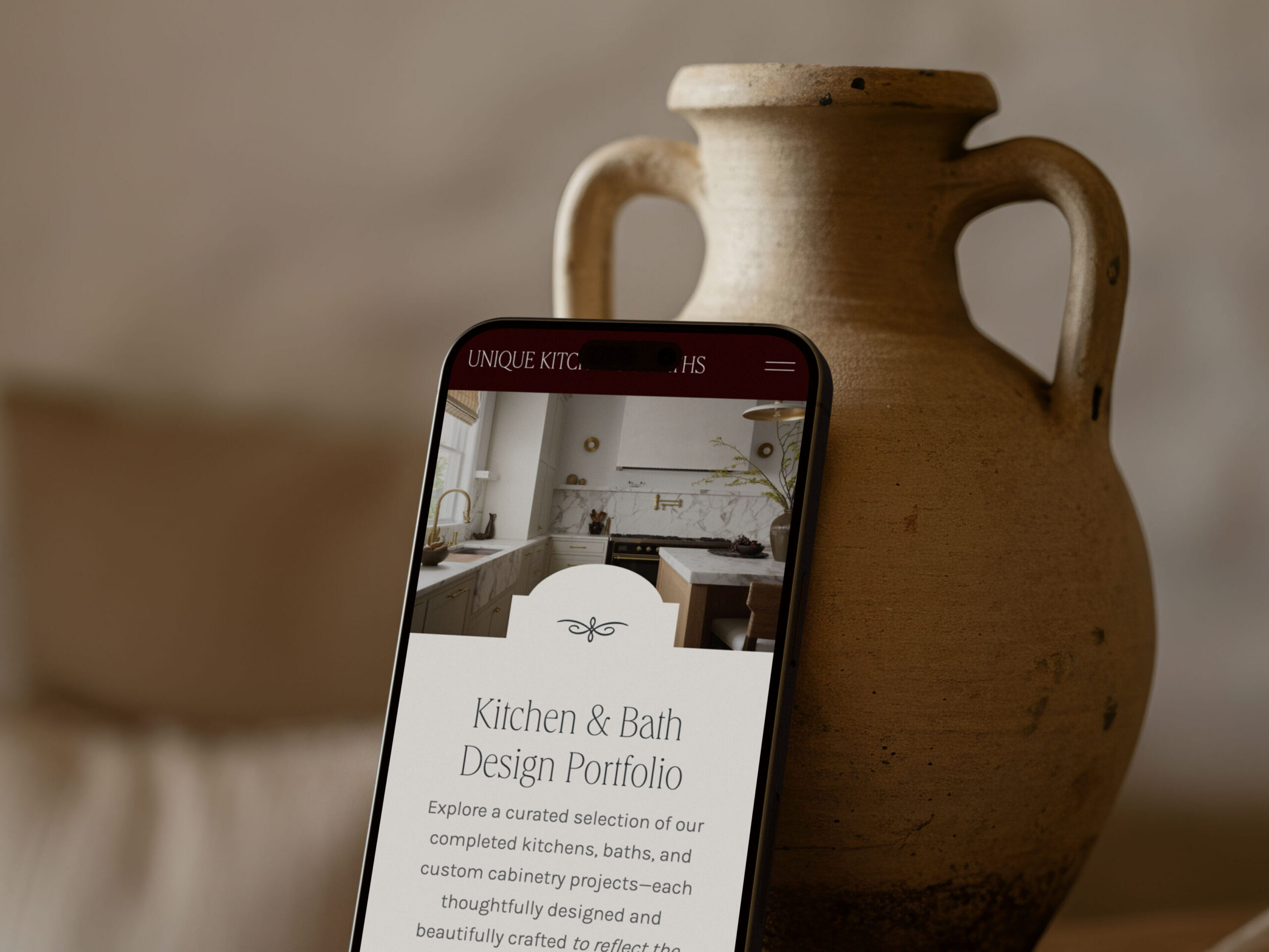
If your mobile experience feels cluttered, slow, or difficult to navigate in any way, potential clients will leave before they ever connect with your work. For this reason you cannot approach the mobile version of your website the same as your desktop version.
Review your website on mobile regularly and pay attention to:
- Navigation
- Text readability
- Image loading speed
- Button placement
- Inquiry forms
A seamless mobile experience communicates professionalism and attention to detail. But beyond that, it prioritizes more than half of your visitors so give it the same care you give your desktop version.
8. Strong SEO Foundations
Even the most beautiful interior designer website can’t generate inquiries if no one can find it. Beyond that, running ads to a website without a proper strategic foundation simply isn’t good business. Ensure your website is working for you and not against you by establishing best SEO practices.
Search engine optimization doesn’t need to feel overwhelming.
Start with the fundamentals:
- Strategic page titles
- Meta descriptions
- Keyword-rich (but not stuffed) headings and website copy
- Optimized image alt text on all images
- Thoughtful internal linking
- Location-specific keywords
- Consistent strategy-led blogging
Strong SEO helps your website continue working long after you’ve logged off. This is why SEO strategy and implementation is a standard with every Full-Service and Semi-Custom project we do here at Femme Collective®.
9. An Email Capture Strategy
Not every visitor is ready to inquire today. That doesn’t mean they’re not a future client.
Create opportunities to stay connected through valuable resources such as:
- Design guides
- Project planning checklists
- Budget worksheets
- Styling tips
- Educational newsletters
Instead of offering resources as direct downloads, integrate them with your email platform so visitors can access them by joining your email list.
This creates an opportunity to continue the conversation long after they’ve left your website, allowing you to nurture potential clients with valuable content until they’re ready to inquire.
10. Strategic Calls to Action
One of the most common mistakes we see on interior designer websites is assuming visitors know what to do next. They don’t.
Every page should include a clear next step.
Whether you want visitors to:
- View your portfolio
- Explore your process
- Download a resource
- Read a case study
- Submit an inquiry
Tell them exactly where to go as clearly as possible. Your website should guide visitors through a thoughtful journey, not leave them guessing.
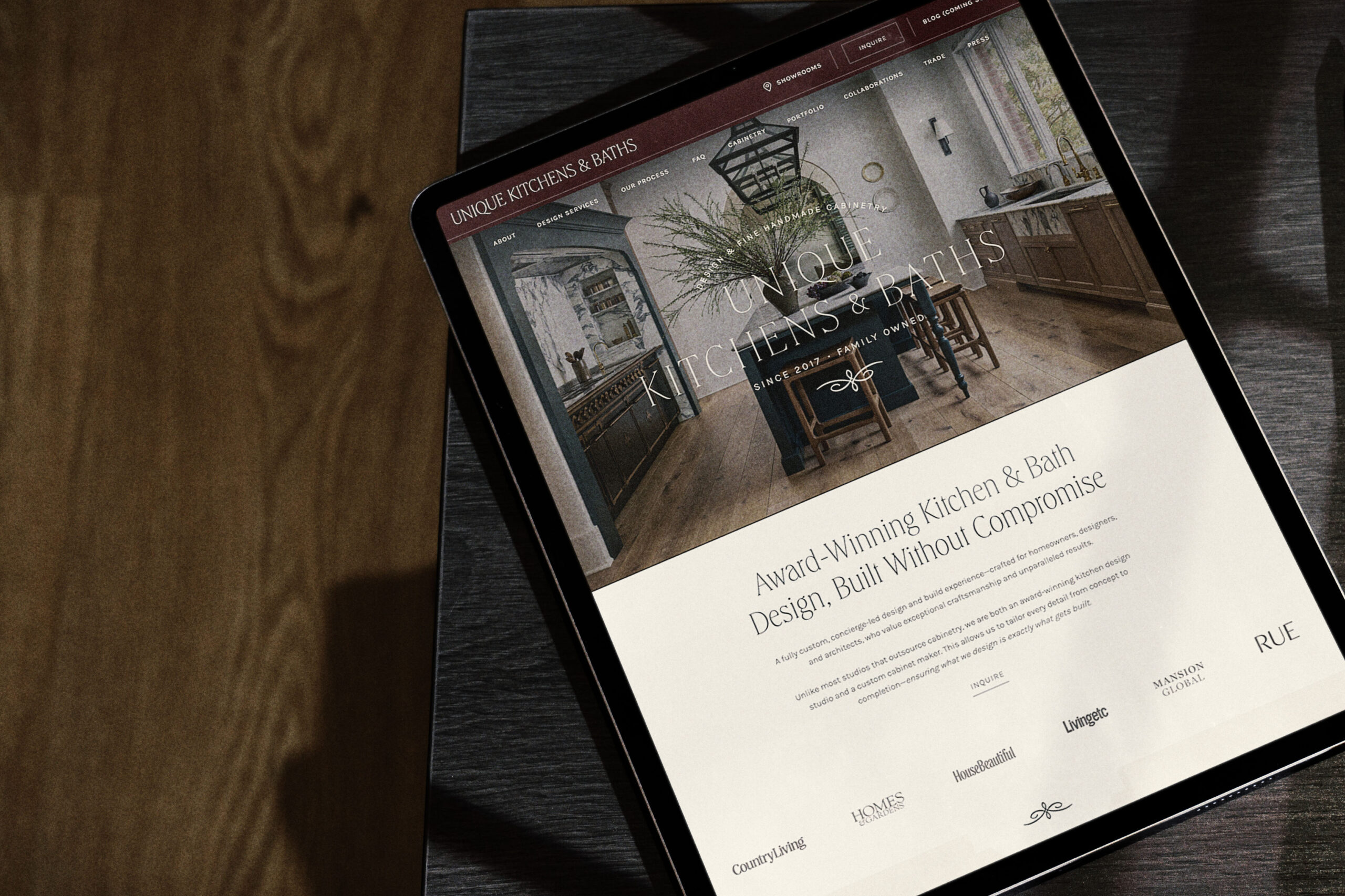
Your Website Should Work as Beautifully as the Spaces You Design
A luxury interior designer website isn’t just about aesthetics. It’s about creating an experience that reflects the quality of your work, builds trust, and supports your business goals.
Because beautiful design alone doesn’t convert. Strategy does.
If your website no longer reflects the level of work you’re creating or the clients you’re hoping to attract, it may be time for a more intentional approach.
Ready to transform your online presence from unseen to unmissable™?
Explore our services or inquire directly about our full-service brand and website design experience. We’re here to help.

